Loading organizations...

§ Private Profile · Santa Clara, CA, USA
Designs and manufactures semiconductors, microprocessors, and memory chips for computing, electronics, and high-tech industries.
Intel Corporation, headquartered in Mountain View, California, is a leading designer and manufacturer of semiconductors, including microprocessors, DRAM, SRAM, and integrated circuits, serving global computing and high-tech industries. The company revolutionized computing with the introduction of the microprocessor in 1971, establishing a foundational role in modern electronics and maintaining a focus on continuous innovation. As a public company (NASDAQ: INTC), Intel reported $29.39 billion in sales and employed 70,200 individuals in 1999, underpinning a wide array of electronics and technology sectors. Key figures associated with its development include co-founders Robert Noyce and Gordon Moore, influential early leader Andrew Grove, and prominent investor Arthur Rock. Intel was founded in 1968 by Robert Noyce and Gordon Moore. Its business model centers on public company generating revenue through sales of semiconductors, software, and related services.
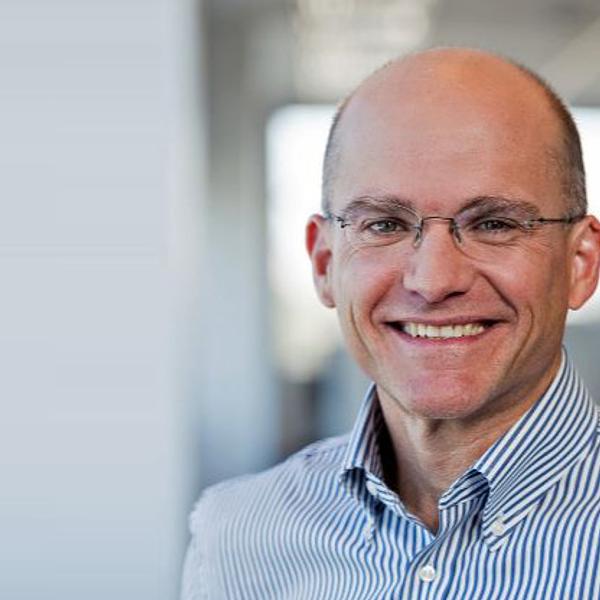
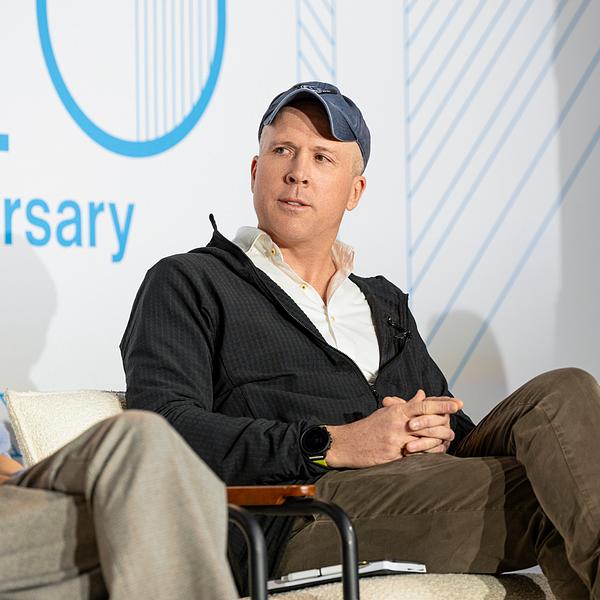
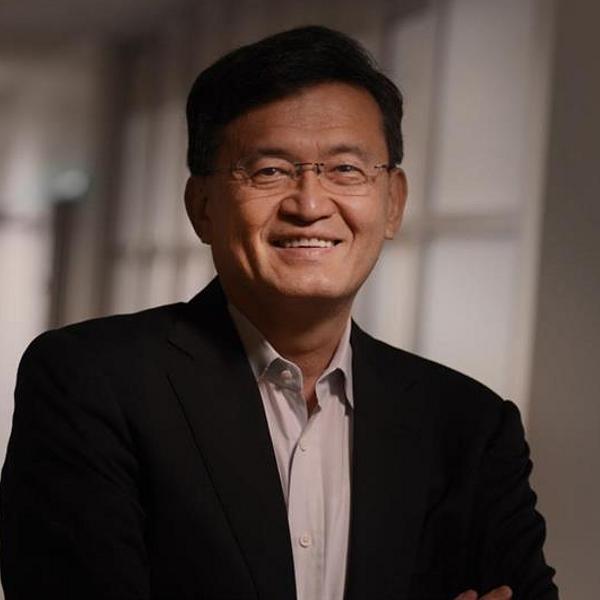
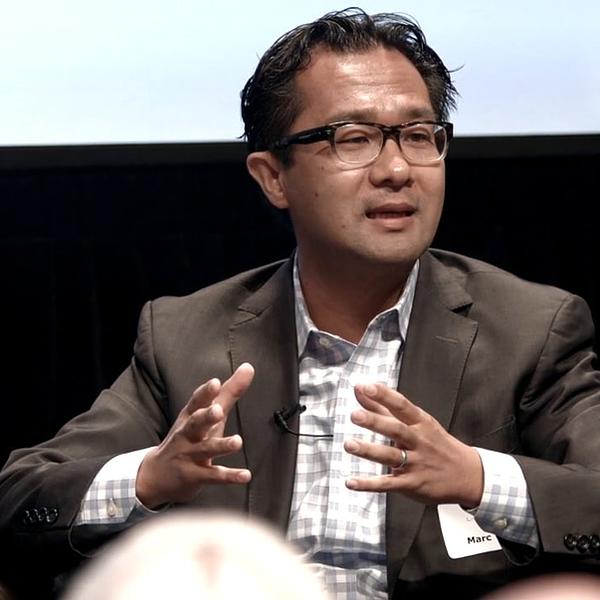
Key people at Intel Corporation.
Intel Corporation was founded in 1968 by Robert Noyce (Co-Founder) and Jason Whitmire (Co-founder of Software Business & Director (Comneon GmbH)).
Intel Corporation is a leading semiconductor manufacturer renowned for pioneering microprocessors and integrated circuits that power modern computing. Founded in 1968, it produces central processing units (CPUs), memory chips, and related technologies, serving consumers, enterprises, data centers, and original equipment manufacturers (OEMs) worldwide, addressing the core need for high-performance processing in PCs, servers, mobile devices, and emerging AI systems.[1][2][3][5][6]
Intel solves fundamental challenges in computing speed, efficiency, and scalability, from its early DRAM and SRAM innovations to the x86 architecture that became the standard for personal computers. Its growth has been propelled by key milestones like the 1971 microprocessor launch and expansions into server (Xeon) and enterprise markets, though it has faced recent competitive pressures in the chip industry.[2][4][6][7]
Intel was founded on July 18, 1968, by Robert Noyce and Gordon Moore, semiconductor pioneers who had previously co-founded Fairchild Semiconductor in 1957. Noyce, co-inventor of the silicon integrated circuit, served as general manager at Fairchild, while Moore led research and development and later formulated Moore's Law, predicting the doubling of transistors on chips roughly every two years.[1][2][3][5][6]
Frustrated by Fairchild's corporate constraints, Noyce and Moore left in May 1968 after a pivotal backyard discussion, securing $2.5 million from venture capitalist Arthur Rock (who coined the term "venture capitalist"). Initially named NM Electronics, it became Intel—"integrated electronics"—for $15,000 after a naming conflict. Operations started August 1 in Mountain View, California, with a dozen engineers; Andy Grove soon joined as the third key leader, shaping Intel's disciplined culture. Early products included the 1969 3101 SRAM and 1971's groundbreaking 4004 microprocessor and EPROM, alongside its IPO raising $6.8 million.[2][3][4][5][6]
Intel rode the semiconductor revolution of the 1960s-1970s, capitalizing on integrated circuits to fuel personal computing's rise. Its timing aligned with shrinking transistors per Moore's Law, enabling affordable, powerful chips amid demand from calculators, then PCs.[2][5][6]
Market forces like Silicon Valley's talent pool and venture funding favored Intel, which standardized x86—partnering with Microsoft ("Wintel") and Apple (2005-2020)—influencing ecosystems from consumer devices to data centers. It shaped computing norms, open-source tools, and industries, though later disrupted by ARM and fabless rivals amid globalization.[4][7]
Intel is pivoting toward foundry services, AI accelerators, and chiplet designs to reclaim leadership amid competition from TSMC and AMD. Trends like AI workloads, edge computing, and U.S. onshoring (via CHIPS Act investments) will shape its path, potentially restoring dominance if execution matches its founding innovation ethos.[7]
Its influence may evolve from PC kingpin to diversified chip enabler, powering next-gen tech while navigating geopolitical tensions—echoing how Noyce and Moore's bold start transformed computing forever.
Intel Corporation was founded in 1968 by Robert Noyce (Co-Founder) and Jason Whitmire (Co-founder of Software Business & Director (Comneon GmbH)).
Key people at Intel Corporation.