Loading organizations...
Ericsson is a telecommunications company based in Stockholm, Sweden, that provides hardware, software, and services for global communications networks. The publicly traded corporation operates as a major developer of 5G networking infrastructure and holds an extensive intellectual property portfolio of over 57,000 granted patents, which notably includes the original invention of Bluetooth technology. The enterprise supplies its core networking equipment and connectivity solutions to a broad client base consisting of mobile network operators, corporate enterprises, and government entities located across international markets. Corporate control of the business is maintained by major Swedish investment firms Investor AB, which is closely associated with the prominent Wallenberg family, and Industrivärden. Current executive leadership includes President and Chief Executive Officer Börje Ekholm operating alongside Chairman Jan Carlson to direct corporate strategy. The organization was originally founded in 1876 by Lars Magnus Ericsson.
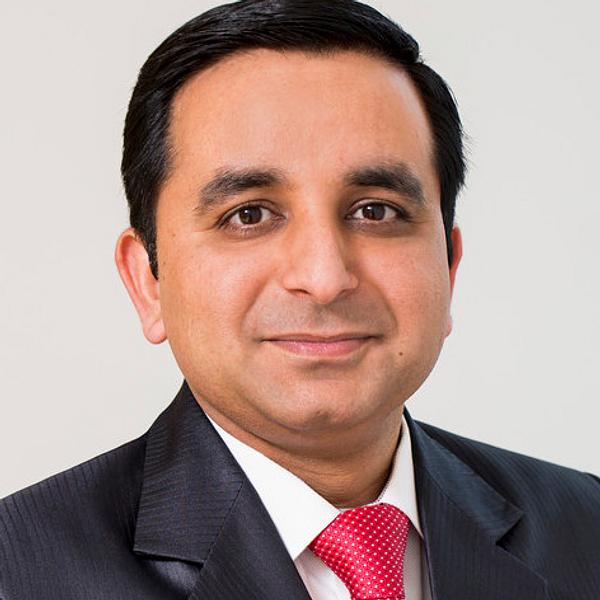
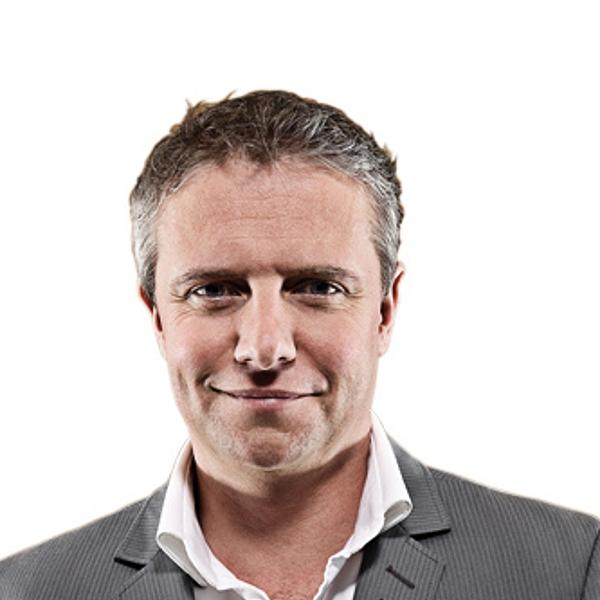
Key people at Ericsson.
Ericsson's core business is providing network infrastructure, software, and services to telecommunications operators.
Ericsson is headquartered in Stockholm, Sweden.
Ericsson focuses on 5G, cloud computing, IoT, and network automation.
Ericsson employs over 100,000 people worldwide.
Ericsson's main competitors include Nokia and Huawei.
Ericsson's core business is providing network infrastructure, software, and services to telecommunications operators.
Ericsson is headquartered in Stockholm, Sweden.
Ericsson focuses on 5G, cloud computing, IoT, and network automation.
Ericsson employs over 100,000 people worldwide.
Ericsson's main competitors include Nokia and Huawei.
Ericsson (Telefonaktiebolaget LM Ericsson) is a Stockholm-based global leader in telecommunications infrastructure, providing mobile connectivity solutions to telecom operators and enterprises across sectors like 5G networks, radio access networks (RAN), and emerging technologies.[2][3][4] Founded in 1876, the company manages networks processing 40% of the world's data, with 2024 net sales of SEK 247.9 billion and Q3 2025 sales of SEK 56.2 billion, employing nearly 90,000 people worldwide.[1][3][4] Its growth strategy emphasizes 5G leadership—highlighted by a $14 billion AT&T contract in 2023—IPR revenue targeting 20% of sales by 2026, Open RAN, cloud technologies, quantum exploration, and sustainability goals like net-zero emissions by 2030.[1][6]
Ericsson's vision is "a world where limitless connectivity improves lives, redefines business, and pioneers a sustainable future," powering innovations from healthcare access to agile enterprises and energy-efficient networks.[2]
Ericsson traces its roots to 1876, when Lars Magnus Ericsson began repairing telegraph equipment in Stockholm, Sweden, with a vision to bring telephones to every home—a ambition that evolved into global connectivity leadership.[1][3] Starting with telegraph gear, the company pioneered early telephones and has since advanced through mobile tech milestones, including Bluetooth invention and holding over 57,000 patents.[1][3]
Key pivots include shifting focus to 5G infrastructure, enabling IoT, and now developing 6G for extended reality experiences, while exiting consumer handsets to concentrate on networks amid competition.[3][6] Under President and CEO Börje Ekholm, recent executive changes like Moti Gyamlani's departure in early 2026 underscore ongoing operational streamlining.[4][5]
Ericsson rides the 5G-to-6G transition wave, enabling IoT, extended reality, and agile enterprises amid surging data demands and digital transformation.[2][3] Timing aligns with North American expansion (e.g., AT&T deal) and Open RAN's rise, countering vendor lock-in and competition from Huawei, Nokia, and Qualcomm.[1][6]
Market forces like rising interest rates and demand shifts favor its infrastructure focus, with cost efficiencies balancing high R&D spend.[6] It influences the ecosystem by partnering (e.g., UNICEF for school connectivity), powering 40% of global data flows, and driving sustainable telecom evolution—reducing emissions while enabling healthcare, education, and low-logistics production.[2][3]
Ericsson's trajectory points to strengthened 5G/6G dominance, with IPR hitting 20% of sales by 2026, quantum breakthroughs, and sustainability milestones like net-zero by 2030.[1][2] Trends like Open RAN adoption, AI-driven efficiency, and 6G's sensory experiences will shape growth, alongside Q3 2026 reports and AGM on March 31, 2026, signaling transparency.[7][8]
As a 150-year pioneer, Ericsson remains pivotal in making "limitless connectivity" reality—evolving from telegraphs to networks for billions, poised to redefine business and society.[3][5]
Key people at Ericsson.





Ericsson has 20 tracked investments across 14 companies. The latest tracked deal is $20.0M Seed in Standard Kernel in March 2026.