
Loading organizations...
Stanford University operates as a leading private research institution, offering comprehensive academic programs across undergraduate, graduate, and professional levels. It delivers rich learning experiences designed to provide broad liberal arts foundations and deep subject-area expertise, complemented by extensive research initiatives. The university fosters an environment of intellectual expansiveness, encouraging freedom to explore new lines of thinking and drive discoveries vital to global progress.
The institution was founded in 1885 by California senator Leland Stanford and his wife, Jane Stanford. Their profound insight stemmed from the tragic loss of their only child, Leland Stanford Jr., at the age of fifteen. In his memory, the Stanfords established the university with the explicit mission to promote the public welfare by exercising a profound influence on behalf of humanity and civilization.
Stanford serves a diverse student body and faculty dedicated to advancing knowledge and innovation. Its long-term vision centers on preparing students to make meaningful contributions to society as engaged citizens and leaders, while continuing to advance entire fields of knowledge through pioneering research. The university remains committed to a spirit of optimism and possibility, upholding its founding purpose to benefit humanity.
Key people at Stanford University.
Stanford University was founded in 1885 by Stuart Coulson (Co-founder and Director - Social Entrepreneurship Lab and Extreme Design Lab) and Joseph Reth (FLI Tech Founders Research).
Key people at Stanford University.














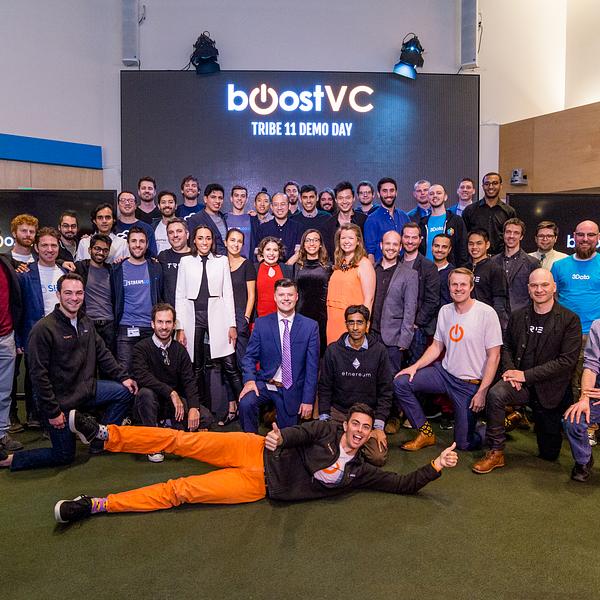



























































Stanford University was founded in 1885 by Stuart Coulson (Co-founder and Director - Social Entrepreneurship Lab and Extreme Design Lab) and Joseph Reth (FLI Tech Founders Research).
Stanford University is a premier institution renowned for its deep integration with entrepreneurship and innovation, particularly within the Silicon Valley ecosystem. It fosters the transformation of ideas into impactful startups through comprehensive entrepreneurship programs, accelerators like StartX, and a vast alumni network that supports venture creation and growth. Stanford’s mission centers on equipping students and researchers with the skills, mentorship, and resources needed to launch technology-driven companies that address real-world problems, especially in cutting-edge sectors such as AI, deep tech, and climate solutions[1][2].
Founded in 1885, Stanford has evolved from a traditional research university into a powerhouse of innovation and entrepreneurship. Key programs like the Stanford Technology Ventures Program (STVP) and StartX accelerator have been instrumental in nurturing student ventures and alumni startups, including globally recognized companies like Google, Instagram, and Dropbox. The university’s ecosystem emphasizes collaboration between academia, industry, and venture capital, creating a unique environment where novel technologies rapidly transition from lab to market[1][3][4].
Stanford rides the wave of ongoing technological trends such as AI, sustainable computing, and deep tech innovation. Its timing is critical, as global challenges increasingly demand advanced technological solutions, and Stanford’s research output feeds directly into market-ready startups. The university’s ecosystem exemplifies how academic institutions can serve as innovation engines, influencing global tech landscapes by continuously producing high-impact companies and fostering a culture of entrepreneurship that extends beyond graduation[2][4].
Looking ahead, Stanford is poised to maintain and expand its leadership in technology entrepreneurship by deepening its focus on emerging fields like climate tech and AI. Continued government investment in research and education will be vital to sustaining this innovation pipeline. The university’s influence is likely to grow as it further integrates interdisciplinary research with startup creation, reinforcing its role as a cornerstone of Silicon Valley and a global innovation hub[4]. This ongoing evolution ties back to Stanford’s foundational mission of transforming ideas into impactful ventures that shape the future of technology and society.
