Loading organizations...
SolarCity delivers comprehensive solar energy generation systems and associated services. The company designs, installs, finances, and monitors solar panel installations for both residential and commercial properties. Its integrated business model streamlined the process of adopting solar power, offering a full-service solution from initial consultation through ongoing system maintenance.
The company was founded on July 4, 2006, by brothers Peter Rive and Lyndon Rive. Influenced by their cousin, entrepreneur Elon Musk, the Rives envisioned a vertically integrated solar company that would make clean energy solutions more accessible and affordable for a wider customer base. Their core insight centered on pioneering a solar leasing model, removing the high upfront cost barrier for consumers.
SolarCity primarily served homeowners and various businesses seeking to reduce their electricity expenses and environmental impact. The company’s long-term vision involved accelerating the global shift towards sustainable energy by providing an attractive and convenient solar power option. It aimed to foster a widespread, decentralized infrastructure for clean energy production and consumption.
SolarCity has raised $162.0M across 5 funding rounds.
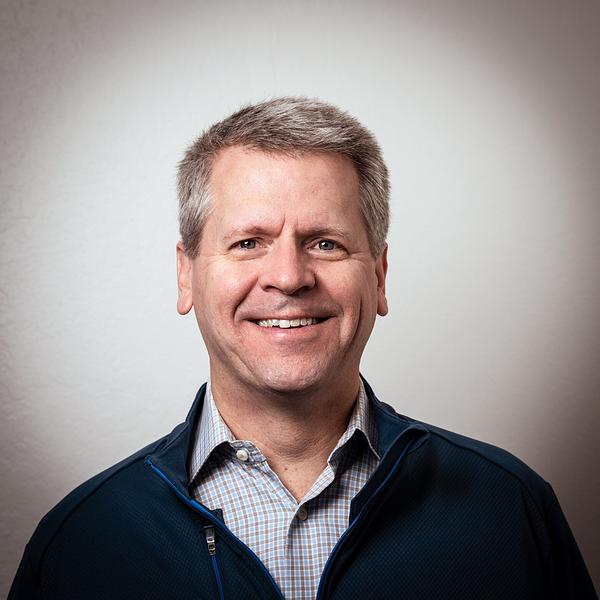
Key people at SolarCity.
SolarCity has raised $162.0M in total across 5 funding rounds.
SolarCity has raised $162.0M across 5 funding rounds. Most recently, it raised $81.0M Series G in February 2012.
| Date | Round | Lead Investors | Other Investors | Status |
|---|---|---|---|---|
| Feb 1, 2012 | $81M Series G | — | Addition, Brand Foundry Ventures, DBL Partners, Element Partners, Felix Capital, Javelin Venture Partners, Hans Tung, Strategic Beta, Marco Demeireles, TCV, True Ventures | Announced |
| Jun 1, 2011 | $20M Series F | — | DBL Partners, Mayfield | Announced |
| Jul 1, 2010 | $21M Series E | — | DBL Partners, Mayfield | Announced |
| Oct 1, 2008 | $30M Series D | — | DBL Partners | Announced |
| Sep 1, 2006 | $10M Series U | — | DFJ | Announced |
SolarCity was a renewable energy technology company specializing in residential solar power systems, including installation, leasing, and financing services. It served homeowners and businesses seeking to adopt solar energy, solving the problem of high upfront costs and complexity in transitioning to clean energy by offering innovative leasing models and turnkey installations.[1][4][5] At its peak, SolarCity was the largest U.S. residential solar installer, but it faced mounting debt and liquidity issues, leading to its $2.6 billion all-stock acquisition by Tesla in November 2016, after which it was rebranded as Tesla Energy.[1][2][4]
The merger integrated SolarCity's solar expertise with Tesla's energy storage products like Powerwall, aiming for a vertically integrated sustainable energy ecosystem. This created synergies in solar generation, storage, and electric vehicles, though it burdened Tesla with SolarCity's $3 billion debt and sparked shareholder lawsuits alleging a bailout—claims later dismissed by courts ruling the price fair.[2][3][5][6]
SolarCity was founded in 2006 by brothers Peter Rive and Lyndon Rive, cousins of Elon Musk, in San Mateo, California. Elon Musk provided early seed funding, served as chairman, and shaped its vision as an "accident of history" separate from Tesla, both driven by his goal of sustainable energy.[1][4][5] The idea emerged from the Rive brothers' recognition of solar's potential amid rising energy costs and environmental concerns, pioneering a leasing model to make panels accessible without large upfront payments.
Early traction came from aggressive growth, securing market share through debt-financed expansion and partnerships, but by 2016, SolarCity grappled with a liquidity crisis, falling stock value, and unprofitability despite its scale. Tesla's June 2016 offer, finalized after 85% shareholder approval, marked the pivotal moment, aligning with Musk's "Master Plan, Part Deux" for integrated solar roofs, batteries, and EVs.[1][2][3]
SolarCity rode the early 2010s clean energy boom, fueled by falling solar panel costs, federal incentives like the Investment Tax Credit, and climate awareness, timing its growth perfectly as residential adoption surged.[4][5] Market forces like cheap debt and state net metering policies favored its model, enabling it to capture over 30% U.S. residential market share by 2016.[2][4]
The Tesla acquisition amplified its influence, evolving solar from a niche installer to a pillar of Tesla's ecosystem, blending generation with EVs and storage to challenge utilities and fossil fuels. It accelerated vertical integration trends in renewables, proving how tech giants can reshape energy infrastructure despite risks like debt and lawsuits.[1][3][5]
Post-acquisition, SolarCity's legacy endures as Tesla Energy, with advancements like Solar Roof tiles and scaled Powerwall deployments driving revenue growth amid global electrification. Challenges persist, including past panel issues and competition, but Tesla's manufacturing prowess positions it for dominance.[2][4]
Ahead, expect deeper AI-optimized energy management, virtual power plants, and expansion in emerging markets as battery costs drop and policies like the Inflation Reduction Act boost demand. Tesla Energy's trajectory underscores SolarCity's foundational bet on integrated clean tech, evolving from a debt-laden innovator to a cornerstone of the sustainable energy shift—proving Musk's vision that solar utility belongs to individuals, not just grids.[1][3]
Key people at SolarCity.
SolarCity has raised $162.0M in total across 5 funding rounds.
SolarCity's investors include Addition, Brand Foundry Ventures, DBL Partners, Element Partners, Felix Capital, Javelin Venture Partners, Hans Tung, Strategic Beta, Marco DeMeireles, TCV, True Ventures, Mayfield.