Loading organizations...
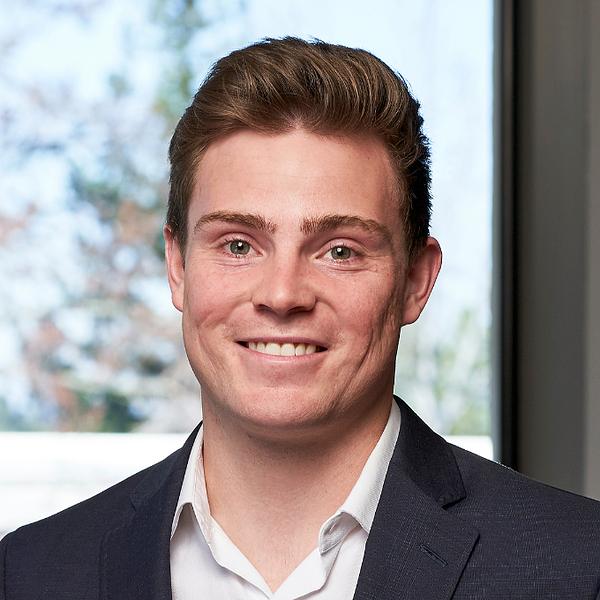
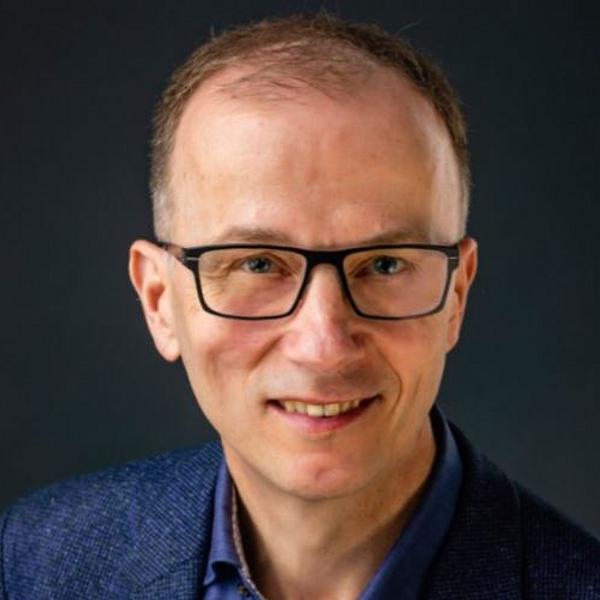
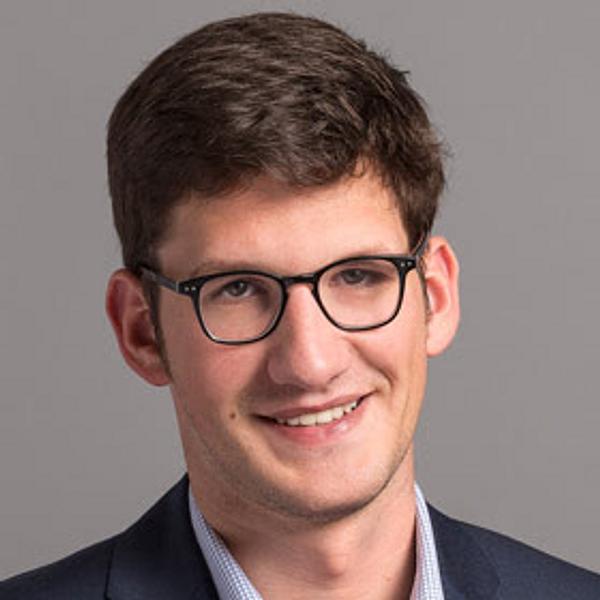
Key people at Sanofi.
Sanofi operates as a global biopharmaceutical company, intensely driven by research and development, which delivers innovative medicines and healthcare solutions across various therapeutic areas. The company specializes in developing and manufacturing prescription drugs, vaccines, and consumer healthcare products. Its approach leverages advanced scientific exploration and increasingly, artificial intelligence, to address significant unmet medical needs in areas such as specialty care and general medicines.
The company's origins trace back through a rich history of mergers and acquisitions that span over a century, contributing to a legacy of impact in healthcare innovation. While not founded by a single individual in the traditional sense, Sanofi emerged from the strategic consolidation of numerous pharmaceutical entities, including Sanofi-Synthélabo, which was formed in 1999, and Aventis in 2004, among others. This complex evolution reflects a continuous commitment to advancing medical science and expanding its global presence in patient care.
Sanofi primarily serves patients worldwide, providing essential treatments and preventative solutions. Its long-term vision centers on improving people's lives through its diversified portfolio and pipeline of therapies. The company aims to accelerate progress in healthcare, focusing on developing products that meet the evolving health needs of communities globally, thereby shaping the future of medicine with a forward-looking perspective.
Sanofi is a French multinational biopharmaceutical company focused on discovering, developing, and delivering medicines and vaccines to improve people's lives, operating in 70 countries with over 83,000 employees.[1][7] It specializes in areas like vaccines (protecting half a billion people worldwide, including pioneering polio, influenza, meningitis, and rabies vaccines), rare diseases (enzyme replacement therapies for Gaucher, Fabry, and Pompe diseases), and emerging technologies like mRNA for RSV, influenza, chlamydia, and acne.[1] As an R&D-driven, AI-powered firm under CEO Paul Hudson, Sanofi chases scientific breakthroughs in pharmaceuticals, biotechnology, and public health, with a robust pipeline of 93 assets across 5 modalities and 26 therapeutic areas.[3][7]
The company serves patients, healthcare providers, and communities globally, solving unmet needs in infectious diseases, immunology, neurology, oncology, rare diseases, and vaccines through innovative therapies and humanitarian programs for orphan drugs.[1][7]
Sanofi's roots trace back to the 19th century through mergers of diverse firms, formally founded on December 20, 1973, as a subsidiary of French oil company Elf Aquitaine to diversify into healthcare, cosmetics, and animal nutrition.[1][2][3][6] Key precursors include Synthélabo (formed 1970 from 1834-founded Laboratoires Dausse and 1899-founded Laboratoires Robert & Carrière, focusing on plant extracts and cardiovascular therapies) and early entrepreneurial ventures in pharmaceuticals.[2] René Sautier drove the initial diversification strategy, leading to consolidation of pharmaceutical activities in 1979 for enhanced R&D and global penetration.[2]
Pivotal moments include the 1999 merger creating Sanofi-Synthélabo (after selling cosmetics like Yves Saint Laurent), the 2004 merger with larger rival Aventis to form Sanofi-Aventis (supported by the French government to retain a national pharma leader), and the 2011 $20 billion acquisition of U.S. biotech Genzyme, strengthening rare disease expertise.[3] Sanofi Pasteur emerged as a vaccines subsidiary post-merger, building on first-of-its-kind vaccines.[1][2] This century-long amalgamation of partnerships and acquisitions evolved Sanofi into one of Europe's largest pharma firms.[4]
Sanofi rides the wave of AI-powered biopharma and precision medicine, leveraging mRNA and advanced platforms amid rising demand for vaccines against pandemics and antimicrobial resistance.[1][7] Timing aligns with post-COVID acceleration in biotech innovation and global health equity needs, where its vaccines counter diseases like RSV and dengue in emerging markets.[1][5] Favorable market forces include pharma consolidation, government support for domestic champions (e.g., French backing of Aventis merger), and regulatory pushes for orphan drugs and rapid vaccine development.[3]
It influences the ecosystem by setting standards in rare disease advocacy, humanitarian access, and R&D scale—partnering with communities, acquiring biotechs like Genzyme, and driving half a billion vaccinations—while navigating challenges like past lawsuits (e.g., Plavix efficacy) to refocus on high-growth vaccines and immunology.[1][3][5]
Sanofi's pivot to AI-driven R&D and vaccines positions it for outsized growth in immunology, oncology, and next-gen prophylactics like mRNA-based RSV and dengue shots, potentially dominating resilient post-pandemic markets.[1][5][7] Trends like biotech M&A, personalized therapies, and global health threats will shape its path, with pipeline momentum (93 assets) signaling blockbuster potential amid competition from Pfizer and J&J.[3][7]
Its influence may evolve toward leading AI-biopharma hybrids, expanding humanitarian impact, and sustaining legacy innovation—turning impossible challenges into realities for billions, as its 50-year brand builds on centuries of progress.[1]
Key people at Sanofi.