Loading organizations...
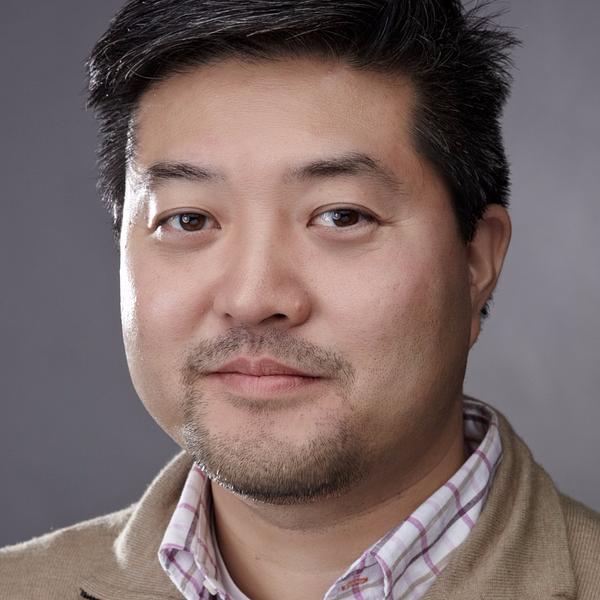
Key people at Coro Foundation.
Founded in 1942 by W. Donald Fletcher and Van Duyn Dodge, Coro Foundation is a San Francisco, California-based non-partisan non-profit providing immersive public affairs leadership training for emerging civic leaders. The 501(c)(3) organization operates regional centers in Los Angeles, New York, and St. Louis, accepting up to 12 fellows per location annually for flagship initiatives like the Youth Fellows program. Participants gain hands-on experience navigating complex policy challenges through a curriculum focused on ethical leadership and cross-sector collaboration spanning business, labor, government, and nonprofit sectors. This approach has cultivated a global network of nearly 10,000 alumni, recently celebrated through events like the 2024 Coro New York Luminaries honors. Funded by donations, program fees, and strategic partnerships with entities like the Cleveland Foundation, the institution features leadership from notable board members including Eugene Hillsman and Citi executive Vera Moore-Shaheen.
The Coro Foundation is a non-partisan, non-profit organization dedicated to developing civic leaders through experiential fellowship programs that build skills for public affairs, cross-sector collaboration, and ethical leadership.[1][2][4] Founded to address gaps in post-graduate leadership training, it trains students, young professionals, executives, activists, and entrepreneurs via immersive programs in multiple U.S. cities, fostering networks of nearly 10,000 alumni who drive change in government, nonprofits, business, and communities.[2][5] Its mission emphasizes strengthening democracy by equipping diverse leaders to tackle complex public issues through collaboration across differences.[1][3][4]
Coro was established on October 12, 1942, in San Francisco by W. Donald Fletcher, an attorney, and Van Duyn Dodge, an investment counselor, who met during the Wendell Wilkie presidential campaign and recognized the need for formal training in civic leadership—absent in fields like law or medicine.[1][2][5][6] Post-World War II, they launched the first Coro Fellows Program in Public Affairs in 1947, targeting young veterans to enhance democratic governance through hands-on learning inspired by pragmatist John Dewey's "learn by doing" philosophy.[2][4][5][6] The name "Coro" was invented to symbolize discovery and exploration for this novel concept.[5][6] Over decades, it expanded from San Francisco to centers in Los Angeles (1957), St. Louis (1972-1974), New York (1980-1984), Pittsburgh (1999), and others like Kansas City (1975) and Cleveland (2005), diversifying programs for youth to mid-career professionals under Coro National.[2][3][8] Recent evolution includes the 2025 merger of Northern and Southern California centers into Coro California, enhancing statewide impact amid leadership transitions like Laney Whitcanack's tenure.[3]
While not a tech firm or investor, Coro plays a pivotal role in the tech ecosystem by training leaders who bridge civic tech, policy, and innovation—equipping entrepreneurs, executives, and activists to navigate public issues like urban infrastructure, digital equity, and AI ethics amid rising demands for cross-sector solutions.[1][4][9] It rides trends in civic leadership for complex challenges, such as post-pandemic polarization and tech-driven societal shifts, where timing favors its 80+ year legacy of preparing non-partisan leaders for resilient democracies.[3][6][10] Market forces like urban growth in hubs (NYC, SF, LA) and needs for ethical tech governance amplify its influence, as alumni catalyze startups, policy reforms, and public-private partnerships that strengthen the startup ecosystem's societal integration.[2][7]
Coro's unification into structures like Coro California positions it for expanded reach, leveraging stable finances and programs to train more leaders amid democratic strains and tech disruptions.[3] Trends like AI ethics, climate tech, and urban innovation will shape its path, with alumni likely amplifying influence in policy-tech intersections. As civic leadership demands grow, Coro's proven model—forged in 1942 to build citizen leaders—will evolve to power collaborative change, tying back to its core mission of a thriving democracy through skilled, networked changemakers.[1][4][5]
Key people at Coro Foundation.