Loading organizations...
BASF is a multinational chemical manufacturing corporation that produces a vast portfolio of basic chemicals, plastics, performance materials, and agricultural solutions, based in Ludwigshafen, Germany. Operating as a global business-to-business supplier across the automotive, construction, consumer goods, electronics, and pharmaceutical sectors, the enterprise generated approximately €68.9 billion in total sales revenue during the 2023 fiscal year. The organization currently employs over 111,000 people worldwide across its integrated production sites and recently implemented an additional €1 billion corporate cost-savings program targeting its primary headquarters to mitigate high European energy costs. Guided by current chief executive officer Markus Kamieth and former chief executive Martin Brudermüller, the corporation recently restructured its asset portfolio by agreeing to sell its Wintershall Dea oil and gas subsidiary to Harbour Energy. BASF was originally founded in April 1865 by German industrialist Friedrich Engelhorn.
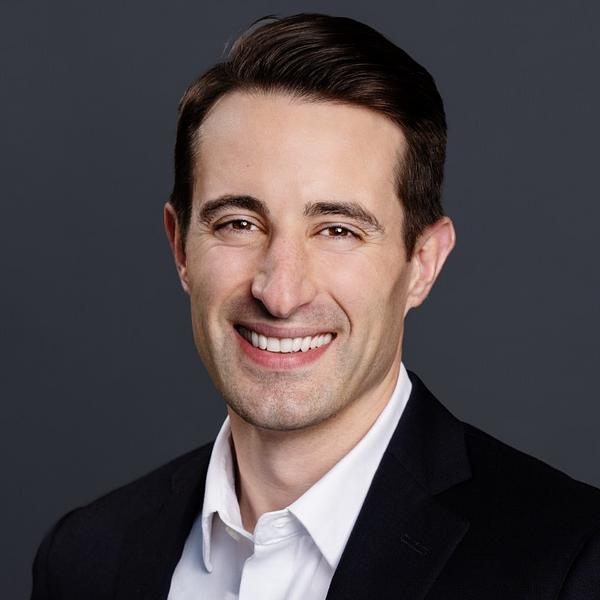
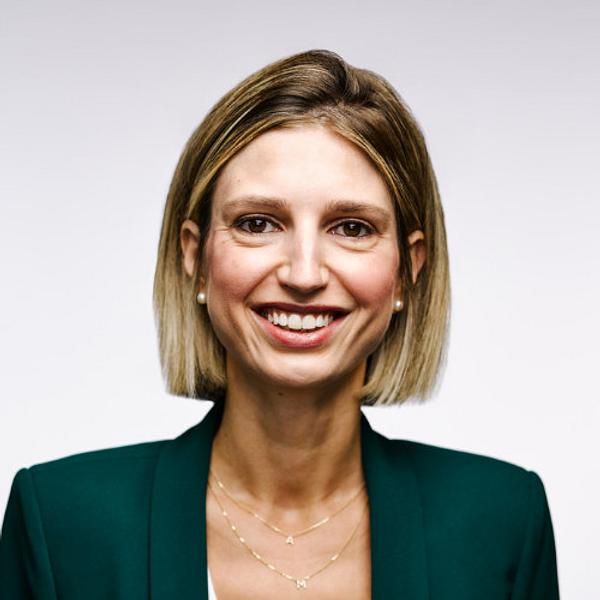
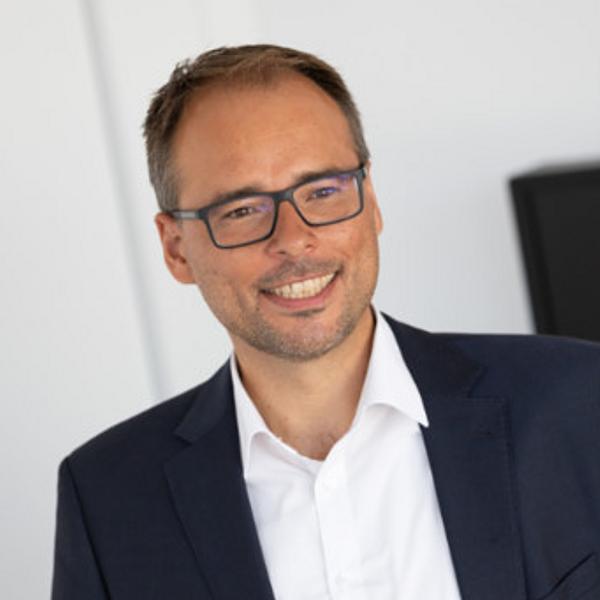
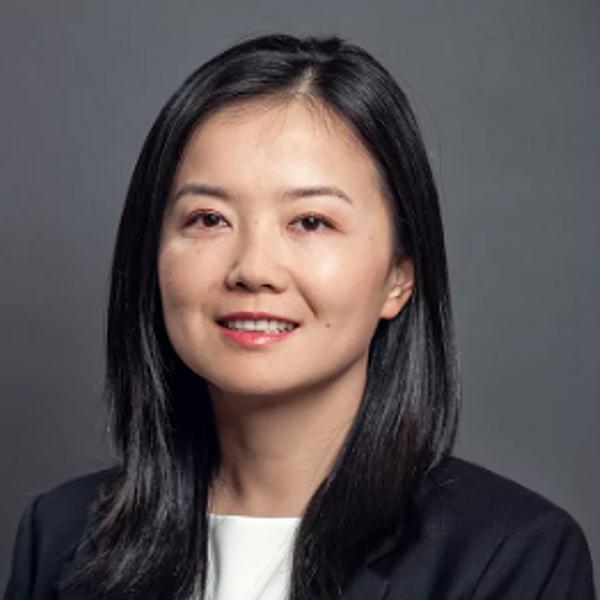
Key people at BASF.
BASF was founded in 1865 by Friedrich Engelhorn (Founder).
BASF was founded in 1865 by Friedrich Engelhorn (Founder).
BASF (Badische Anilin- und Sodafabrik) is the world's leading chemical company, founded in 1865 as a dye manufacturer and evolving into a global producer of chemicals, materials, and solutions across industries like agriculture, automotive, and consumer goods.[1][3][6] Headquartered in Ludwigshafen, Germany, it operates integrated production sites worldwide, emphasizing innovation in sustainable chemistry under its slogan "We create chemistry," with a history of expansion through international facilities and acquisitions.[2][4][7]
From its origins in synthetic dyes and inorganic chemicals, BASF has grown into a multinational giant, shipping products globally and adapting through eras of dyes, polymers, and modern specialties like crop protection and biotech.[1][5][6] It serves diverse sectors by solving challenges in resource efficiency, mobility, and nutrition, maintaining steady growth via strategic moves like the 2018 Bayer acquisition.[4]
BASF traces its roots to the Industrial Revolution in mid-19th-century Germany. Friedrich Engelhorn, a former goldsmith who built a gasworks in Mannheim in 1861, spotted opportunity in coal tar byproducts for producing aniline dyes like fuchsine.[1][2][3] Facing shortages of essential chemicals like soda and acids, he partnered with businessmen to form Badische Anilin- und Sodafabrik as a stock corporation on April 6, 1865, in Mannheim, though facilities were built across the Rhine in Ludwigshafen due to site issues.[1][2][3]
Early operations focused on vertical integration—producing dyes and required inorganic chemicals in-house—yielding quick product launches despite modest beginnings.[3][6] Engelhorn led as first chairman until 1883 (departing amid disputes by 1885), setting the stage for global expansion, including its first foreign site in Russia in 1877 and France in 1878.[1][2] This gritty start amid industrial fervor humanized BASF's rise from a tar byproduct venture to chemical powerhouse.[5][7]
BASF stands out through its vertically integrated Verbund system, linking production processes efficiently across sites for cost savings, resource optimization, and innovation—pioneered from its dye-era roots.[1][2][6] Key strengths include:
These elements differentiate BASF from peers, blending historical depth with modern agility.[5]
BASF rides the sustainable chemistry megatrend, powering transitions in energy, agriculture, and materials amid climate pressures and circular economy demands.[6][7] Its timing leverages 19th-century dye breakthroughs into today's biotech and digital farming, influencing ecosystems by supplying essentials for EVs, crop yields, and plastics recycling.[2][4]
Market forces like globalization and regulation favor its Verbund model and acquisitions, positioning it as a backbone for tech-driven industries—e.g., enabling automotive coatings and agrotech amid supply chain shifts.[1][4][5] BASF shapes the landscape by fostering joint innovations, from early overseas plants to modern R&D hubs, amplifying chemical tech's role in net-zero goals.[2][6]
BASF's trajectory points to deepened sustainability and digital integration, with expansions in biotech, non-selective herbicides, and AI-optimized production to meet rising demands for green materials.[4][6] Trends like decarbonization and precision agriculture will propel growth, potentially via more bolt-on deals in high-margin areas.
Its influence may evolve toward ecosystem orchestrator, partnering with tech firms on circular solutions while leveraging Ludwigshafen’s legacy for global dominance—echoing Engelhorn's byproduct vision in tomorrow's chemistry revolution.[1][5][7]
BASF has 5 tracked investments across 3 companies. The latest tracked deal is $7.0M Other Equity in Gastrograph in January 2023.
| Date | Company | Round | Lead Investor(s) | Co-Investor(s) |
|---|---|---|---|---|
| Jan 25, 2023 | Gastrograph | $7.0M Other Equity | — | Leawood Venture Capital, Sony |
| Jan 1, 2023 | Gastrograph | $7.0M Series U | — | Aqua Spark, BASF Venture Capital, Cornes, Leawood Venture Capital, Sony |
| Jun 1, 2021 | Equinom | $20.0M Series C | Elad Givoni | BASF Venture Capital, Fortissimo Capital, Maverick Ventures Israel, The Trendlines Group |
| Sep 21, 2016 | Heliatek | $69.2M Debt / Series D | Innogy | Aqton Partners, BNP Paribas, CEE Group, ENGIE, European Investment Bank, High Tech Grunderfonds, TUDAG TU Dresden, Wellington Partners |
| Sep 1, 2014 | Heliatek | $23.0M Series C | Aqton Partners | Btov Partners, Converge Venture Partners, Metaplanet, Project A Ventures, Reiner Mauch, Bosch, ECAPITAL, High Tech Grunderfonds, Innogy, Technologiegründerfonds Sachsen, Wellington Partners |
Key people at BASF.